
The storm in the coffee mug
From being a tea-drinking nation, India has become obsessed with coffee shops and chains across all major cities. This is a largely a cultural shift led by the young. A deep-dive on this.
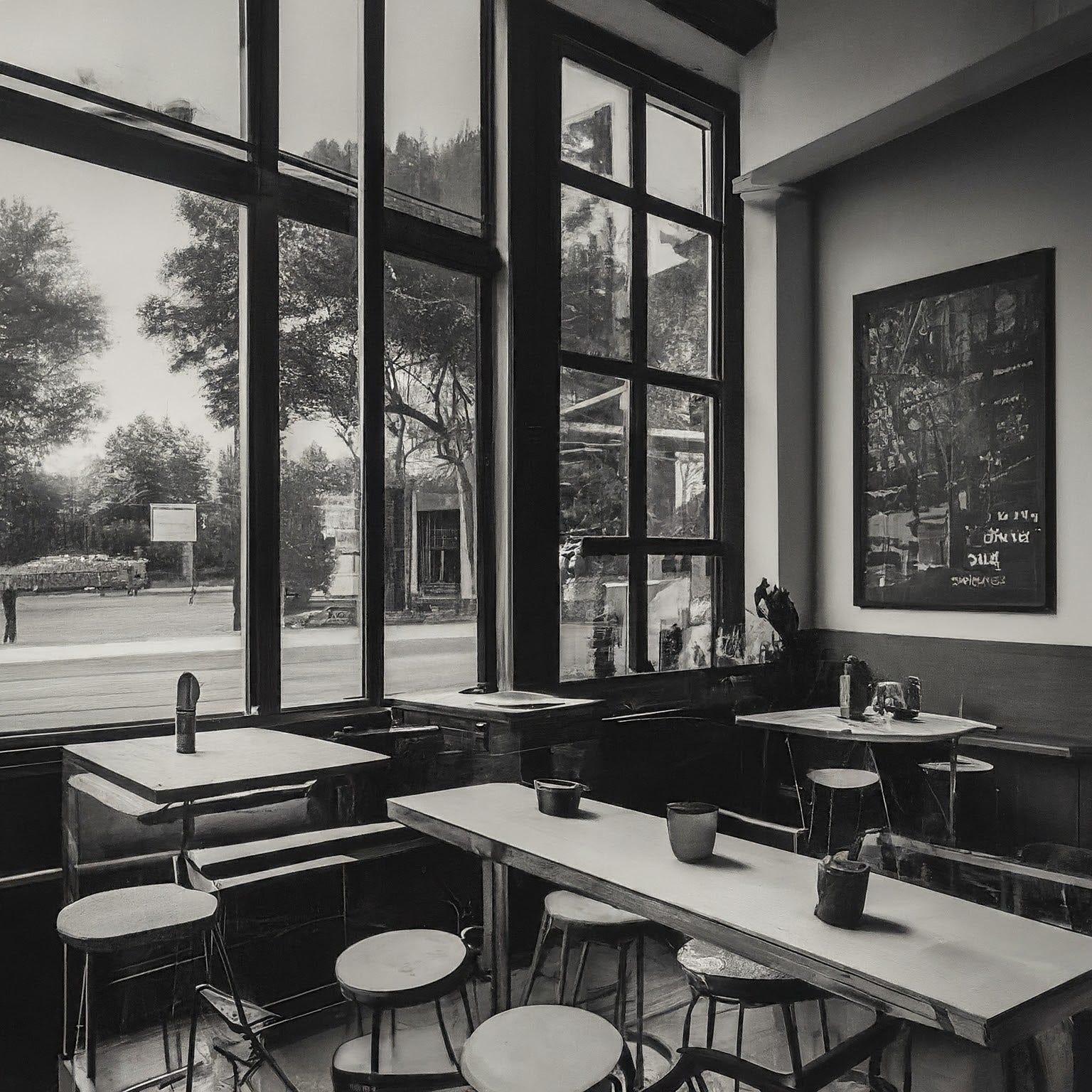
India is primarily a tea-drinking nation, but in the past few years, an exciting subculture has emerged: Coffee Shops.
There has been a revolution starting with Cafe Coffee Day.
Starbucks declared that in the next 5 years, they would have 1000 cafes.
Third Wave Coffee has been on a spree of opening cafes
Blue Tokai Coffee Roasters, Subko Specialty Coffee Roasters, and many others.
And it’s no longer a metro phenomenon only.
But why have we suddenly become so obsessed with Coffee?
Anecdotally, Unlike the US or other Western countries, where coffee drinking is an embedded part of the routine, and people take away coffee from Starbucks or McDonald's on their way to work, Indian coffee shops primarily have on-premise consumption.
Again, coffee shop table turns are lower than traditional restaurants or QSRs. That means people spend more time inside a coffee shop than in a restaurant.
In essence, these coffee shops sell space —not Coffee or food—to sit and talk. This is the core insight that drives the business. They even mention it as one of the taglines: A lot can happen over a cup of coffee.
But if we dig a bit deeper, Coffee shops are really in the business of "convenient and exclusive space" - a space you can book for yourselves without allowing "others".
But why is this demand there? This is a nuanced view that is not easy to fathom for outsiders. We Indians are wired a bit differently.
First, our homes are sacred. We wouldn't invite anyone and everyone into our private spaces. You must be family or close friends to be invited to a party or get-together at our house. So, for everyone else, we want to meet outside.
Second, we seek private space when we meet. We don’t want to catch up in public places partly because we are conscious of ourselves in other people's gaze and mainly because we don’t have public amenities designed to be comfortable. We have temples and street markets in the name of shared public spaces, which are neither convenient nor comfortable. So malls and coffee shops clicked instantly in India.
Lastly (and this may infuriate a few people), we carry a tinge of snobbery from our ancestors and our colonial predecessors. Although we want to be together with our friends and social peers, we want "others" to be out. We want to be exclusive. Hence, the coffees are expensive. If we break down the cost, it’s a 60% access fee, a 30% convenience charge, and just about 10% for the coffee in the cup.
The people in gated societies want to keep others outside the gate, and these coffee shops are just glass-boxed extensions of these.